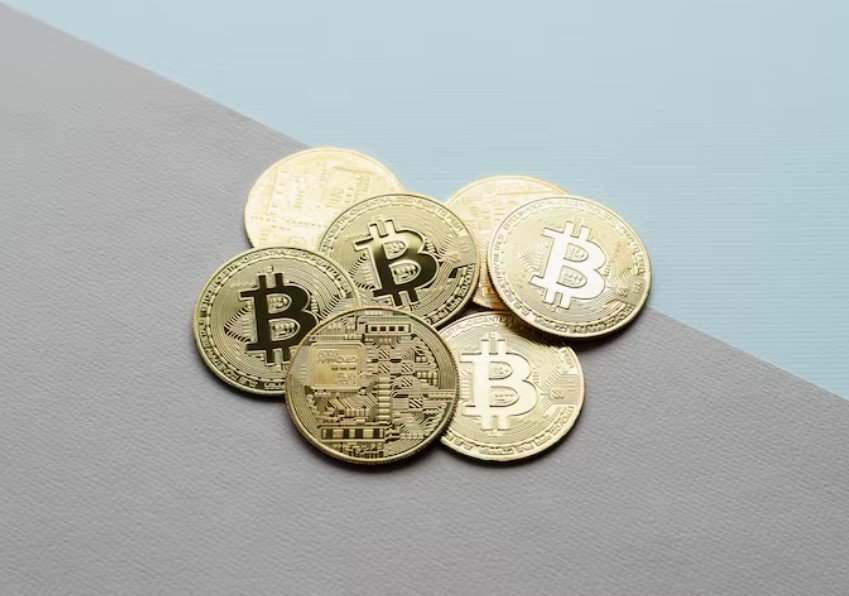
Understanding Digital Currencies
In recent years, digital currencies have transformed the way people think about money. Bitcoin emerged as the first decentralized cryptocurrency, introducing a new era of financial freedom and global transactions without the need for traditional banks. While it brought excitement and opportunities for investors, it also introduced challenges due to its high volatility. The value of bitcoin can fluctuate drastically within hours, making it difficult for everyday transactions or long-term financial planning. This uncertainty created space for the development of stablecoins, a type of digital currency designed to maintain a steady value and provide a reliable medium of exchange.
The Rise of Stablecoins
Stablecoins have become an essential part of the cryptocurrency ecosystem because they combine the benefits of digital currencies with the stability of traditional money. Unlike bitcoin, whose price can swing dramatically, stablecoins are often pegged to assets like the US dollar or other fiat currencies. This peg allows users to transact, save, or invest without worrying about sudden changes in value. The increasing adoption of stablecoins in payments, remittances, and decentralized finance applications demonstrates their growing importance as a bridge between volatile cryptocurrencies and the stability required for everyday financial activities.
Advantages for Consumers
For consumers, stablecoins offer several advantages. Transactions with stablecoins are faster and often cheaper compared to traditional bank transfers. They can be used globally, providing a seamless method to send money across borders without excessive fees or delays. Moreover, stablecoins give people the opportunity to hold digital assets without exposure to extreme market swings. This combination of convenience, cost-efficiency, and predictability is particularly beneficial in regions with unstable local currencies, allowing residents to preserve the value of their wealth and participate in global commerce more effectively.
Opportunities for Businesses
Businesses are also benefiting from the integration of bitcoin and stablecoins into their operations. Accepting digital currencies allows merchants to reach international customers while avoiding the complexities of currency conversion. Stablecoins provide an added layer of predictability, helping businesses manage cash flow and reduce the risk associated with cryptocurrency volatility. Companies engaged in cross-border trade can settle payments instantly, improving liquidity and lowering transaction costs. These advantages make stablecoins a practical tool for enterprises that want to explore digital finance while mitigating financial uncertainty.
Enhancing Financial Innovation
The coexistence of bitcoin and stablecoins is driving innovation in the financial sector. Developers are building new applications, including decentralized finance platforms, digital wallets, and payment solutions that leverage both volatile and stable cryptocurrencies. Bitcoin offers opportunities for investment and value appreciation, while stablecoins support reliable transactions and smart contract execution. Together, they create a more robust digital ecosystem where users can enjoy both growth potential and stability. This synergy encourages further exploration of blockchain technology and inspires new models for savings, lending, and global payments.
The Future of Digital Currency
As digital currencies continue to gain mainstream recognition, the relationship between bitcoin and stablecoins will likely become more important. Investors may use bitcoin for long-term growth while relying on stablecoins for daily transactions and financial security. Governments and financial institutions are also exploring ways to integrate stablecoins into existing regulatory frameworks to ensure compliance and consumer protection. With ongoing technological advancements and growing user adoption, the collaboration between bitcoin and stablecoins can bridge the gap between high-risk speculative investments and stable financial tools, creating a balanced approach to the digital economy.
Conclusion
The introduction of bitcoin and stablecoins has reshaped how people perceive and use money. While bitcoin attracts those seeking investment opportunities and decentralization, stablecoins provide stability and practicality for everyday use. Together, they complement each other, forming a dynamic financial ecosystem that balances risk and reliability. By understanding the distinct roles of these digital currencies, consumers and businesses alike can make informed decisions and participate confidently in the rapidly evolving world of digital finance.